Compare Local Contractors for Effective Water Pooling Prevention
Compare local contractors for water pooling prevention to define project scope, verify experience, and set clear expectations for a successful outcome.
Water pooling prevention involves a variety of services aimed at managing drainage issues around a property. Contractors in this field typically assess the landscape to identify areas where water tends to collect and develop solutions such as installing drainage systems, grading the terrain, or adding features like swales and trenches. These efforts help redirect excess water away from foundations, walkways, and other vulnerable areas, reducing the risk of damage and making outdoor spaces safer and more functional. Understanding the scope of work involved can ensure that property owners choose the right professionals to address specific drainage challenges effectively.
Clearly defining the scope of water pooling prevention work is essential for establishing realistic expectations and ensuring the project addresses the property’s unique needs. When comparing contractors, property owners should inquire about the types of solutions they offer, their experience with similar projects, and how they plan to evaluate the site’s specific drainage issues. Having these details in writing helps prevent misunderstandings and ensures everyone agrees on the work to be performed. A detailed scope also makes it easier to compare different service providers based on their proposed approaches and expertise, rather than just general reputation or familiarity.
Property owners can make informed decisions by researching and comparing local contractors who specialize in water pooling prevention. This involves reviewing their experience with similar projects, checking references or past work, and verifying that they understand the specific drainage concerns of the property. It’s helpful to ask potential contractors how they plan to assess the site, what methods they recommend, and how they document the scope of work. By focusing on these practical factors, property owners can select service providers who are well-equipped to deliver tailored solutions that meet their drainage needs and expectations.
Compare local contractors by outlining your priorities, verifying experience, and clearly defining project expectations in writing.
- Compare Contractor Credentials - Review the experience and reputation of local contractors to ensure they have relevant expertise in water pooling prevention.
- Define Project Scope Clearly - Outline specific tasks and responsibilities to set clear expectations before work begins.
- Verify Experience and References - Check past projects and client feedback to assess the quality of work and reliability of service providers.
- Document Agreements in Writing - Ensure all project details, responsibilities, and expectations are confirmed through written agreements.
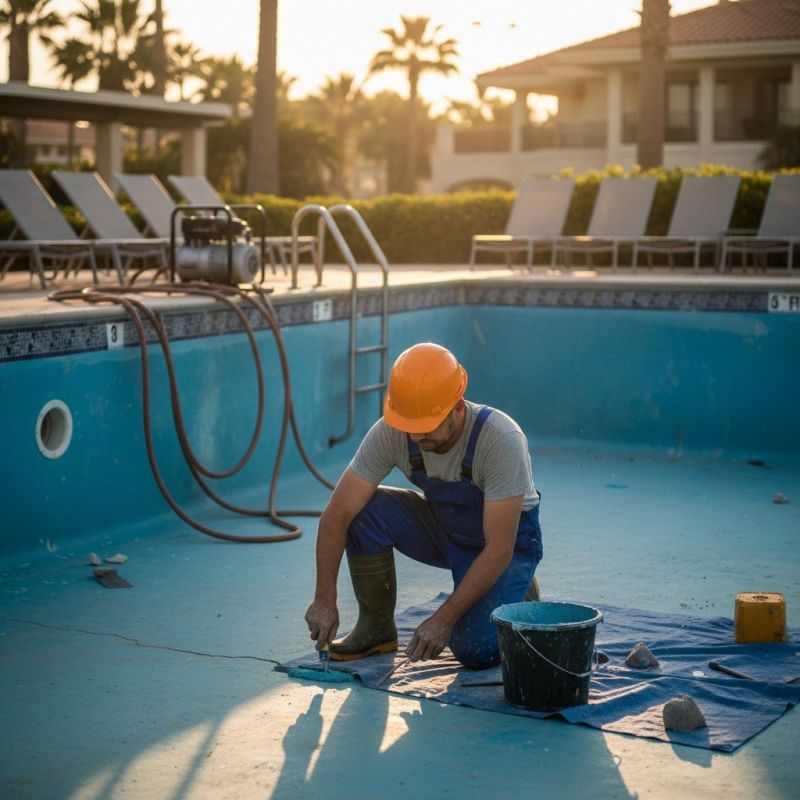
Compare local contractors by clearly describing your project and scope to ensure accurate matching and expectations.
- Assess drainage solutions - ensure contractors can implement effective grading and drainage systems to prevent water accumulation.
- Verify experience with waterproofing - look for service providers experienced in applying waterproof membranes and sealants around pools.
- Review scope of work in writing - confirm the contractor’s plan includes proper drainage, slope adjustments, and surface grading.
- Check for proper site assessment - ensure contractors evaluate existing landscape and soil conditions that may contribute to pooling.
- Discuss maintenance and ongoing prevention - inquire about recommendations for upkeep that can help prevent future water pooling issues.
- Compare contractor warranties and guarantees - review written assurances related to water pooling prevention measures.
Compare local contractors' experience, define scope clearly, and set written expectations for effective water pooling prevention.
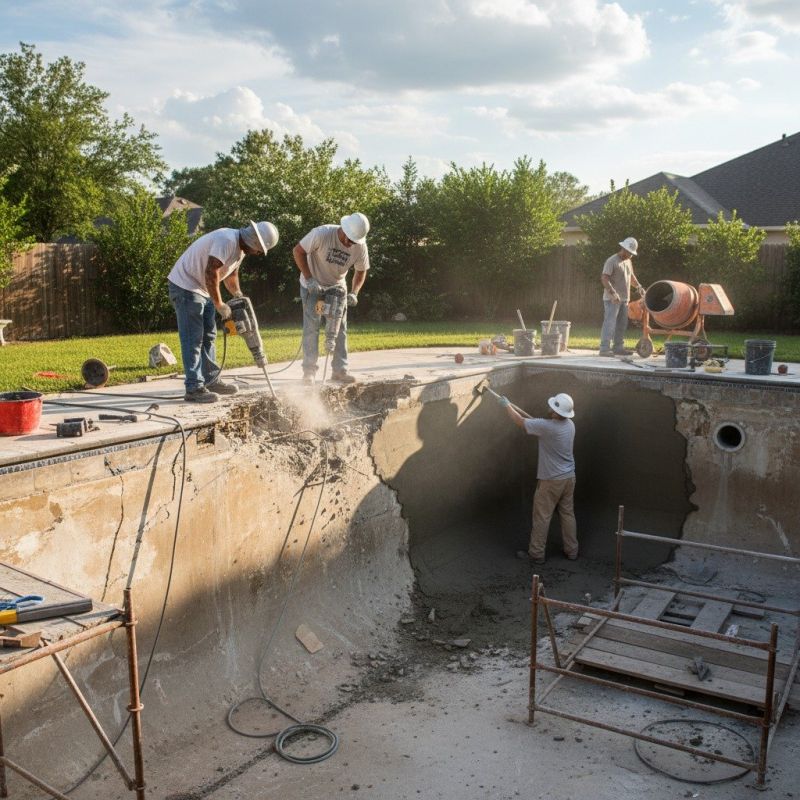
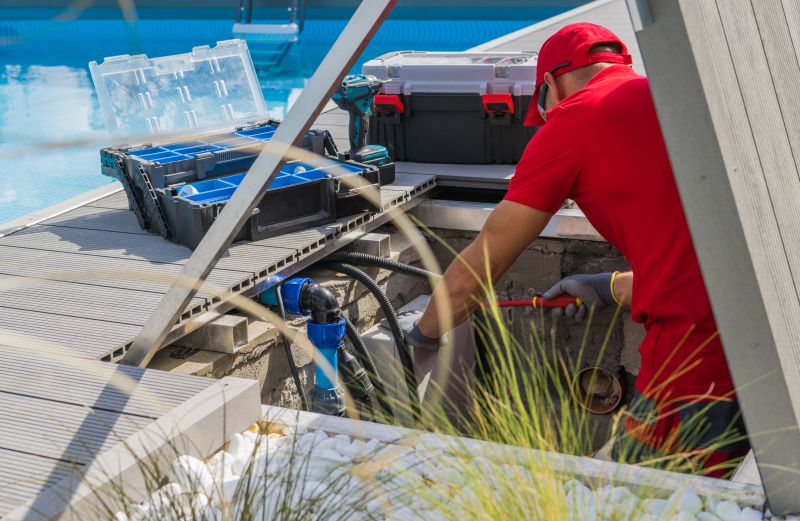
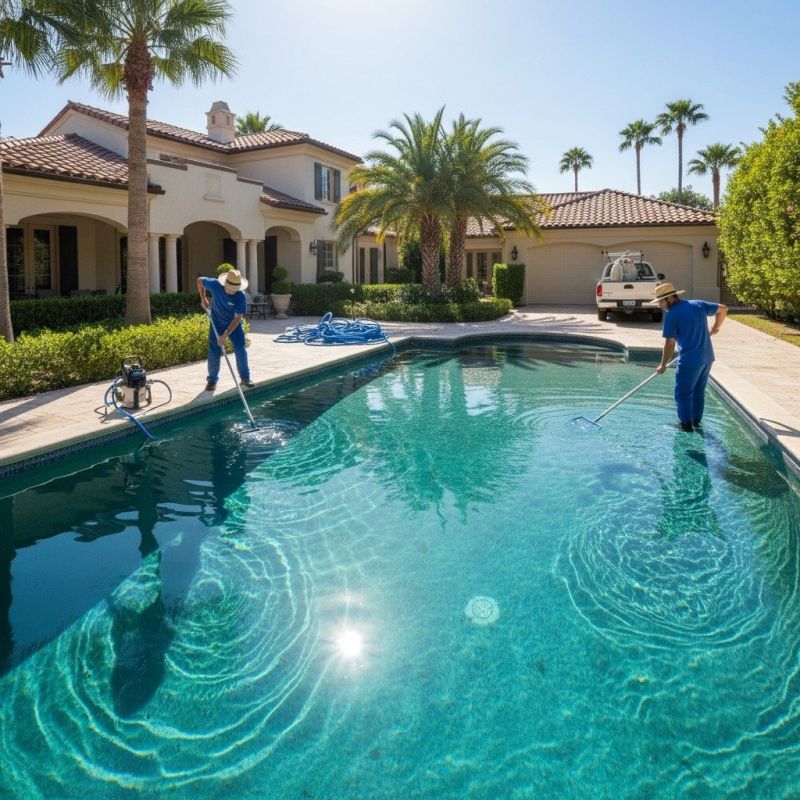
Learn how to compare local contractors for water pooling prevention by establishing clear scope, verifying experience, and maintaining consistent expectations.
- Identify potential causes of water pooling - define the common issues that lead to water accumulation around pools.
- Determine the scope of drainage improvements - specify the necessary modifications to improve water runoff and prevent pooling.
- Verify experience with water management solutions - confirm that service providers have relevant knowledge of drainage systems and waterproofing.
- Establish project expectations in writing - outline the work plan, responsibilities, and desired outcomes clearly in the scope of work.
- Compare local contractors’ approaches and methods - evaluate different service providers’ strategies for water pooling prevention to find suitable options.
When comparing contractors for water pooling prevention, it is important to evaluate their experience with similar projects. Service providers who have handled a variety of drainage issues or landscape grading tasks related to water management can offer insights into effective solutions. Asking about past work that closely resembles the current project can help gauge their familiarity with site-specific challenges and ensure they understand the complexities involved in preventing water accumulation on residential properties.
A clear, written scope of work is essential for setting expectations and avoiding misunderstandings. Pros should provide a detailed description of the tasks they will perform, including specific measures for drainage correction, grading adjustments, or installation of water diversion systems. Having this information documented helps homeowners review what is included in the project and ensures that all parties are aligned on the work to be completed, fostering transparency and accountability.
Verification basics involve assessing how service providers plan to confirm the effectiveness of their solutions. While formal testing methods may vary, contractors should be able to explain how they evaluate the success of their work-such as inspecting grading angles, checking water flow paths, or performing visual assessments after project completion. Understanding their approach to verification can help homeowners feel confident that the project will address the water pooling issues effectively and sustainably.
When evaluating options, homeowners should consider the experience, clarity of scope, and verification methods described by each contractor. It is helpful to ask service providers for references or examples of previous work, review the details outlined in their proposals, and inquire about their process for confirming project success. Comparing these aspects can assist in selecting a qualified contractor who demonstrates a comprehensive understanding of water pooling prevention, without relying on price as the primary factor.
Ask contractors to provide written scope details to ensure clear expectations and consistent project understanding.
- Scope of Work - How do contractors define the specific tasks involved in water pooling prevention?
- Experience and Expertise - What experience do local contractors have with water pooling issues and prevention methods?
- Comparison Criteria - How can the scope and approach of different service providers be compared effectively?
- Warranty and Guarantees - What written assurances do contractors provide regarding the effectiveness of their water pooling prevention solutions?
- Communication and Expectations - How do contractors clarify project expectations and scope in written agreements?
What should I consider when choosing a contractor for water pooling prevention? It’s important to compare local contractors based on their experience, scope of work, and reputation. Ensure they clearly define the services included and verify their familiarity with water management solutions.
How can I verify a contractor’s experience with water pooling prevention? Ask contractors about their previous projects and request references or examples of similar work. Clear communication about their background can help assess their expertise.
What questions should I ask to define the scope of water pooling prevention services? Discuss specific problem areas, desired outcomes, and the methods they propose. Having a written outline of the scope helps set expectations and avoid misunderstandings.
Why is it important to get written agreements with contractors? Written agreements clarify the scope of work, responsibilities, and expectations, reducing potential disputes and ensuring everyone is on the same page.
How can I compare different contractors effectively? Review their experience, scope of services, references, and the clarity of their proposals. Gathering multiple options allows for better comparison and informed decision-making.
What should I do before hiring a contractor for water pooling prevention? Define your needs clearly, research local service providers, and request detailed proposals that outline the scope and methods to address water pooling issues.
This page has provided an overview of how to find and compare contractors who specialize in preventing water pooling around properties. Visitors learned the importance of clearly defining the scope of work, verifying the experience of potential service providers, and setting expectations in writing to ensure a successful project. Utilizing the quote form can help connect with local contractors who are equipped to address water pooling concerns effectively.
To explore options and find the right contractor for water pooling prevention, consider using the quote form to compare local service providers. Gathering information and defining project details upfront can help identify professionals who understand the specific needs of the property. Engaging with local contractors through this process can support making informed decisions about the best solutions for water management.